

Khajuraho — Travel Guide
Khajuraho, nestled in the Chhatarpur district of Madhya Pradesh, is one of India's most celebrated UNESCO World Heritage Sites and a timeless triumph of medieval Indian art and architecture. Built between 950 CE and 1050 CE under the visionary patronage of the Chandela dynasty, this ancient royal sanctuary once contained over 85 grand sandstone temples, of which 22 remarkably preserved architectural masterpieces stand today.
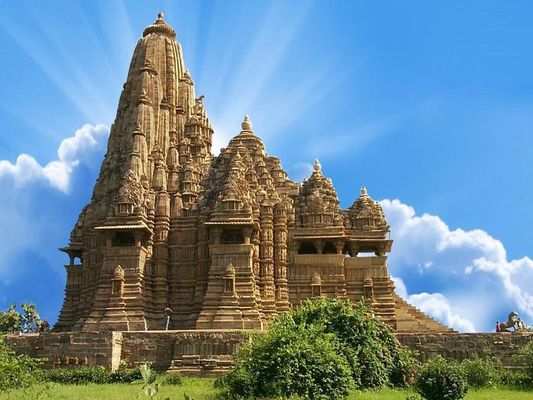
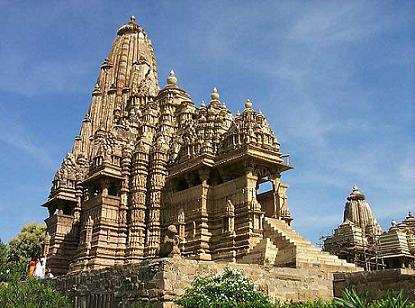 Kandariya Mahadeva Temple — Western Group of Temples, Khajuraho
World-renowned for their soaring Nagara-style spires (Shikharas) and sensuous stone bas-reliefs, the Khajuraho Group of Monuments presents a harmonious balance between the sacred and the secular. While the temples are internationally famous for their intricate Mithuna (erotic) sculptures celebrating the ancient Kama Sutra, these sensual panels represent merely ten percent of the exterior artwork. The remaining ninety percent depicts the vibrant tapestry of medieval Indian life—celestial nymphs (Apsaras), musicians, dancers, warriors, royal processions, mythical creatures (Vyala), and profound Hindu and Jain philosophical deities.
Divided geographically into three distinct clusters—the Western Group, Eastern Group, and Southern Group—Khajuraho serves as the premier cultural crown jewel of Central India. It forms an iconic Golden Triangle heritage circuit when paired with the riverside palaces of Orchha, the hilltop citadel of Gwalior, the tiger wilderness of Panna National Park, and the holy ghats of Varanasi. Travelers visiting Khajuraho can choose from luxury heritage properties such as The Lalit Temple View, Taj Chandela Khajuraho, and Radisson Jass Hotel, explore handcrafted tour packages through Khajuraho Tour Package, or delve into dedicated sightseeing spots via our Khajuraho Places to Visit Guide.
Best Time to Visit:
The ideal time to visit Khajuraho is during the cool winter months from October to March. During this period, daytime temperatures range between a pleasant 15°C and 28°C, accompanied by clear blue skies that are ideal for open-air temple exploration, photography, and wildlife safaris in Panna.
Major Annual Cultural Events:
- Khajuraho Dance Festival (February): A week-long extravaganza of Indian classical dance forms set against the illuminated backdrop of ancient Chandela temples.
- Maha Shivaratri (February / March): Celebrated with immense religious fervor at the Matangeshwara Temple, drawing thousands of pilgrims from across Madhya Pradesh and Uttar Pradesh for all-night vigil and rituals.
- Monsoon Greenery (July to September): Monsoon brings rejuvenating showers that transform the surrounding hills, Panna forests, and Raneh waterfalls into roaring cascades and emerald landscapes.
By Air:
Khajuraho has its own dedicated domestic airport, Khajuraho Airport (Airport Code: HJR), situated just 4 km from the town center. Regular direct and connected flights operate between Khajuraho, New Delhi (DEL), and Varanasi (VNS), making it effortless for international and domestic tourists to combine the temples with Agra and Varanasi. Taxis and hotel shuttles are readily available outside the terminal.
By Train:
Khajuraho is connected to India's major rail routes through multiple railway stations:
- Khajuraho Railway Station (KURJ): Located just 5 km from town, connected by direct daily express trains including the Vande Bharat Express and Khajuraho-Hazrat Nizamuddin Express connecting Delhi, Gwalior, and Jhansi.
- Mahoba Junction (MBA): 63 km away, providing extensive broad-gauge connections across Northern and Central India.
- Satna Junction (STA): 117 km away, a major junction on the Mumbai-Howrah mainline where dozens of superfast trains halt daily.
- Jhansi Junction (VGLJ): 175 km away, connecting Khajuraho via Shatabdi, Rajdhani, and express trains from Delhi, Bhopal, and Mumbai.
By Road:
Khajuraho is well linked through well-maintained national and state highways. Regular MP Tourism, UPSRTC, and private deluxe sleeper buses operate from Orchha (170 km / 3.5 hrs), Gwalior (280 km / 5.5 hrs), Jabalpur (250 km / 5 hrs), Bhopal (375 km / 7 hrs), and Jhansi (175 km / 3.5 hrs). EarthTrip offers private chauffeured AC cabs and outstation taxi rentals across Central India.
Khajuraho is an exceptional destination for shopping traditional Bundelkhand handicrafts, stone craft, and tribal folk art:
- Stone Carvings & Miniatures: Intricate replica carvings of Khajuraho Apsaras, Ganesha, and erotic figurines carved out of soft sandstone and soapstone by local master sculptors.
- Dhokra & Bell Metal Crafts: Traditional lost-wax cast brass and bell metal artifacts, tribal figurines, and oil lamps crafted by Bundela artisans.
- Chanderi & Maheshwari Silk Sarees: World-famous handwoven gossamer silk sarees, dupattas, and stoles with gold zari borders from Madhya Pradesh weaving centers.
- Adivasi Tribal Paintings: Authentic Gond and Bhil tribal paintings on handmade paper depicting folklore, wildlife, and nature motifs.
- Local Herbal Spices & Bundelkhand Sweets: Natural forest honey, dried amla candies, and delicious local Bundelkhand sweets like Khurma and Mawa Jalebi.
Must-Visit Places in Khajuraho
The monumental attractions in and around Khajuraho span ancient temple complexes, wildlife sanctuaries, crystalline river canyons, and royal fortresses:
1. Western Group of Temples – The Crown Jewel
The Western Group is the most opulent, extensively carved, and UNESCO-protected precinct in Khajuraho. Set within manicured landscaped gardens, it houses monumental masterpieces including:
- Kandariya Mahadeva Temple: The pinnacle of Chandela architecture, soaring 31 meters high with over 800 exquisitely sculpted figures and an interior sanctum enshrining a marble Shiva Lingam.
- Lakshmana Temple: Built in 954 CE by King Yashovarman, this panchayatana-style temple features a colossal sandstone wild boar (Varaha), intricate friezes of elephant armies, and Goddess Lakshmi.
- Vishwanatha & Nandi Temples: Dedicated to Lord Shiva, flanked by a massive 6-foot monolithic polished stone Nandi bull pavilion.
- Matangeshwara Temple: The only temple in the complex where living worship continues daily, housing an enormous 8-foot-tall polished stone Shiva Lingam.
- Chitragupta Temple: Rare temple dedicated to Surya (the Sun God) depicted riding a chariot drawn by seven roaring horses.
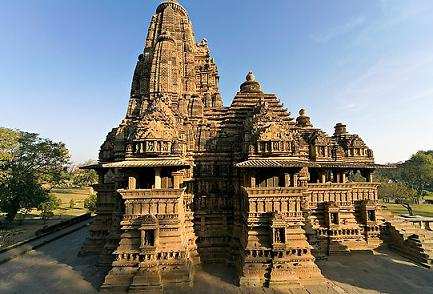 Lakshmana Temple — Western Group, Khajuraho
2. Eastern Group of Temples – Jain & Hindu Heritage
Located near the traditional old village of Khajuraho, the Eastern Group reflects the religious tolerance of Chandela rulers with exceptional Jain and Hindu shrines:
- Parsvanatha Temple: The largest Jain temple in Khajuraho, famed for its masterfully carved sculptures of celestial surasundaris applying kohl, picking thorns, and dressing hair.
- Adinatha Temple: Exquisitely proportioned shrine dedicated to the first Jain Tirthankara, adorned with intricate floral friezes and mythical dancers.
- Brahma & Vamana Temples: Dedicated respectively to Vishnu's dwarf incarnation (Vamana) and an ancient four-faced Shiva lingam mistakenly revered as Brahma.
3. Southern Group of Temples – Dulhadev & Chaturbhuj
Situated slightly away from town near the Khodar River, this tranquil group includes:
- Dulhadev Temple: Known as the "Holy Bridegroom" temple, dedicated to Lord Shiva and celebrated for its energetic flying celestial dancers and intricate ceiling carvings.
- Chaturbhuj Temple: The only major temple in Khajuraho devoid of erotic carvings, enshrining an imposing 9-foot-tall four-armed idol of Lord Vishnu facing the setting sun.
4. Raneh Falls & Ken River Canyon – 20 km
Often hailed as the "Grand Canyon of India", Raneh Falls is a mesmerizing geological wonder located 20 km from Khajuraho where the Ken River carves a 30-meter-deep canyon through pure crystalline granite rocks boasting shades of pink, red, green, and grey. During the monsoon and post-monsoon months, multiple cascading torrents plunge into the gorge, creating an awe-inspiring natural spectacle.
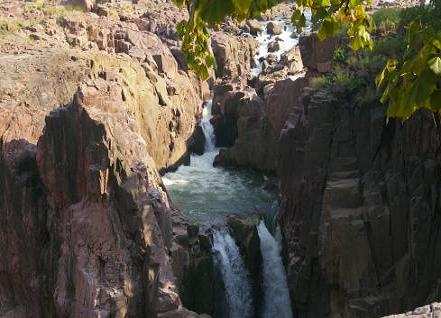 Raneh Falls & Ken River Canyon — 20 km from Khajuraho
5. Panna National Park & Tiger Reserve – 30 km
Located just 30 minutes from Khajuraho, Panna National Park is a world-acclaimed tiger conservation sanctuary. Jungle safaris take travelers across deep teak forests, gorge valleys of the Ken River, and savannah grasslands teeming with Royal Bengal tigers, leopards, sloth bears, chital, sambar deer, and over 200 bird species. Boat safaris on the Ken River also offer sightings of endangered long-snouted Gharials.
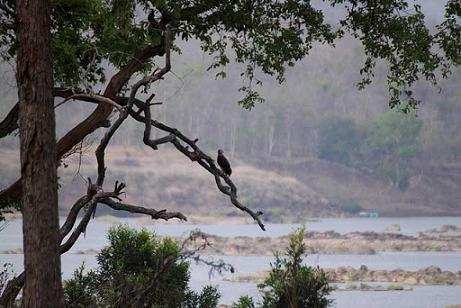 Panna National Park & Tiger Reserve — 30 km from Khajuraho
6. Ajaigarh Fort – 60 km
Perched high on an isolated plateau of the Vindhya Range, Ajaigarh Fort was an impregnable stronghold of the Chandela kings during their decline. Featuring rock-cut tanks, ancient ruined gates, carvings of Jain Tirthankaras, and sweeping panoramic views of the Ken River valley, it is a thrilling trekking destination for history enthusiasts.
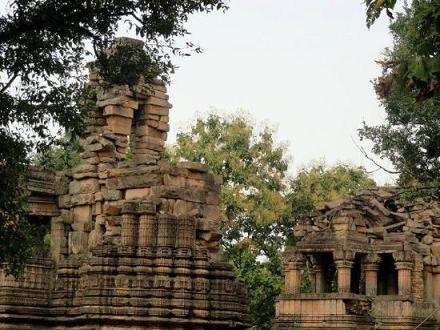 Ajaigarh Fort — Chandela Hilltop Citadel, 60 km from Khajuraho
7. Khajuraho Light & Sound Show & Dance Festival
Every evening, the Western Group of Temples hosts a captivating Light & Sound Show narrated by legendary Bollywood actor Amitabh Bachchan, recounting the chivalrous saga of the Chandela dynasty. In February, the world-famous Khajuraho Dance Festival brings India's foremost classical dancers (Kathak, Bharatanatyam, Odissi, Kuchipudi) to perform against the floodlit backdrop of Chitragupta and Vishwanatha temples.
Popular Hotels in Khajuraho
 Hotel
Hotel
 Hotel
Hotel
 Hotel
Hotel
 Hotel
Hotel
 Hotel
Hotel
 Hotel
Hotel
 Hotel
Hotel
 Hotel
Hotel
Top Places to Visit in Khajuraho
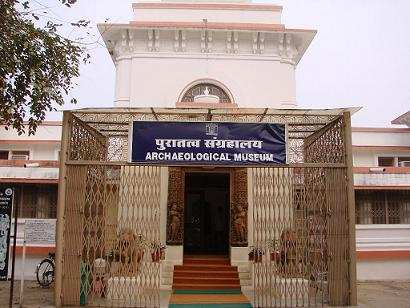
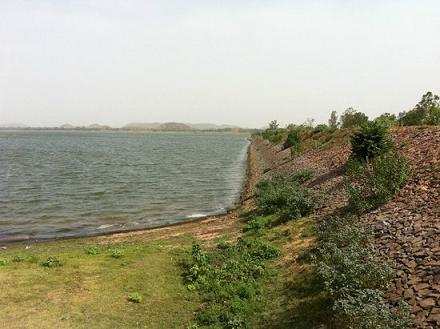
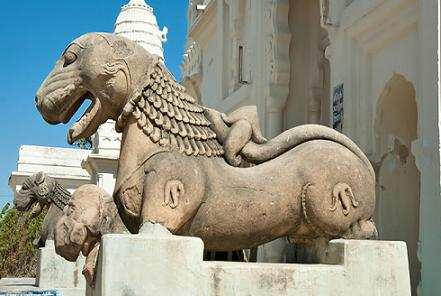
Khajuraho Photo Gallery & Attractions
Explore high-resolution photographs of iconic temples, historical monuments, and scenic landmarks in Khajuraho.

Plan Your Khajuraho Trip Now
Get the best verified hotel deals and customized tour packages. Book directly on EarthTrip and save up to 45%!


