- .
- info@earthtrip.in
-
INR
-
USD
INR
USD
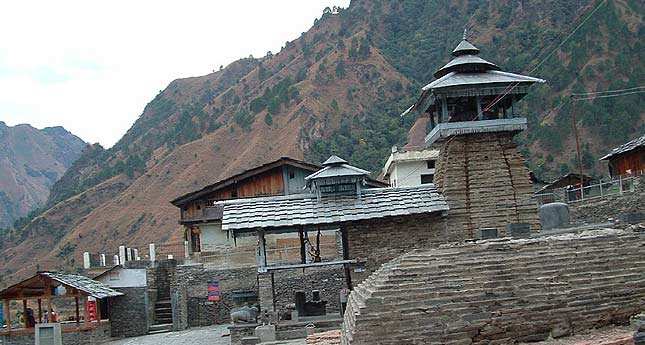
This is a cultural and historical trek in the Jaunsar - Babar region, at the foothills of the stately Garhwal Himalayas. The tribes here, known as Jaunsaris, practice polygamy and polyandry. Lakhamandal is a large village on the banks of Yamuna, known for its temple ruins. The ruins at Lakhamandal give an indication that in the past it must have been a major temple town. Many believe that Lakhamandal is the same Lakhshagriha described in Mahabharat. Kaurava Prince Duryodhana had built a palace made of lac, in which he tried to burn the Pandavas alive. The villagers believe that there is a secret passage that emerges few kilometers downstream today in the center of the village there is a Temple dedicated to Bhagwati and Lord Shiva. In the temple complex stand two life size stone statues. Perhaps they are the Dwarpals of a much older temple. With the legend of Jay and Vijay, the Dwarpals at the gates of heaven. But most of the villagers believe the statues to be that of Bhima and Arjuna.
Lakhamandal positioned on the banks of river Yamuna is often linked with the Lakhshagriha that is described in Mahabharata. An important magnetism of Lakhamandal is its temple dedicated to Bhagwati and Lord Shiva. A cultural and historical trek in the Jaunsar-Babar area, one gets to see and learn a lot of things throughout the trek E.g., The Jaunsaris tribes positioned at the foothills of the Garhwal. Furthermore as the route of the Lakhamandal trek is rich with flora and fauna, it makes for an remarkable experience for ornithologists and the naturalists.
Day 01: Rishikesh-Lakhamandal (150 kms/4 hrs)
Drive to Lakhamandal 150 kms via Mussoorie lunch enroute-Lakhamandal is place of archaeological significance.Historians and archealogist identify Lakhamandal with the epic Laxagrah (House of Wax) which was made by Duryodhan in a conspiracy to kill the Pandavas-Dinner and overnight in camp.
Day 02: Lakhamandal- Baijnath
12 kms drive to Goraghati. Further 12 kms trek to Baijnath with packed lunch. Dinner and overnight in camp.
Day 03: Baijnath- Magti
17 kms Trek to Magti with packed lunch. Dinner and overnight in camp
Day 04: Magti-Biratkhoi
Trek 11 kms to Biratkhoi with packed lunch-At Biratkhoi there is an epic fort in ruins now, according to the legends of Mahabharat, Kalsi Lakhamandal TrekThis fort belongs to Maharaja Birat - Dinner and overnight in camp
Day 05: Biratkhoi- Kalsi
Trek 22 kms to Kalsi with packed lunch. Dinner and overnight in camp.
Day 06: Kalsi to Rishikesh (121 Kms/ 4Hr)
Drive to Rishikesh via Dakpathar, Dehradun.. Arrive at Rishikesh tour end.
Payments policy
Tour Cancilation policy
By Air:
The nearest airport is Jolly Grant Airport (Airport Code: DED) in Dehradun, located just 21 km northwest of Rishikesh. Jolly Grant Airport connects Rishikesh with daily non-stop flights from Delhi, Mumbai, Bengaluru, Hyderabad, Ahmedabad, and Lucknow. Pre-paid airport taxi counters, app cabs, and shared transport are stationed at the arrival terminal, reaching Rishikesh in just 30 to 40 minutes via the 4-lane Dehradun-Rishikesh Highway (NH-7).
By Train:
Rishikesh has dedicated rail connectivity with two main railway terminals:
By Road:
Rishikesh is seamlessly connected by multi-lane national expressways to major cities across North India:
Rishikesh offers a diverse blend of sacred river ghats, iconic suspension bridges, legendary ashrams, natural forest cascades, and world-class adventure zones:
Triveni Ghat is the largest and most sacred bathing ghat in Rishikesh, situated at the holy confluence of the three mythical rivers — the Ganga, Yamuna, and subterranean Saraswati. Pilgrims take holy dips here at dawn to cleanse spiritual impurities. At dusk, the ghat transforms during the grand Maha Ganga Aarti, where Vedic priests chant sacred mantras, blow conch shells, and swing multi-tiered brass flame lamps as thousands of devotees float floral leaf diyas across the shimmering river.
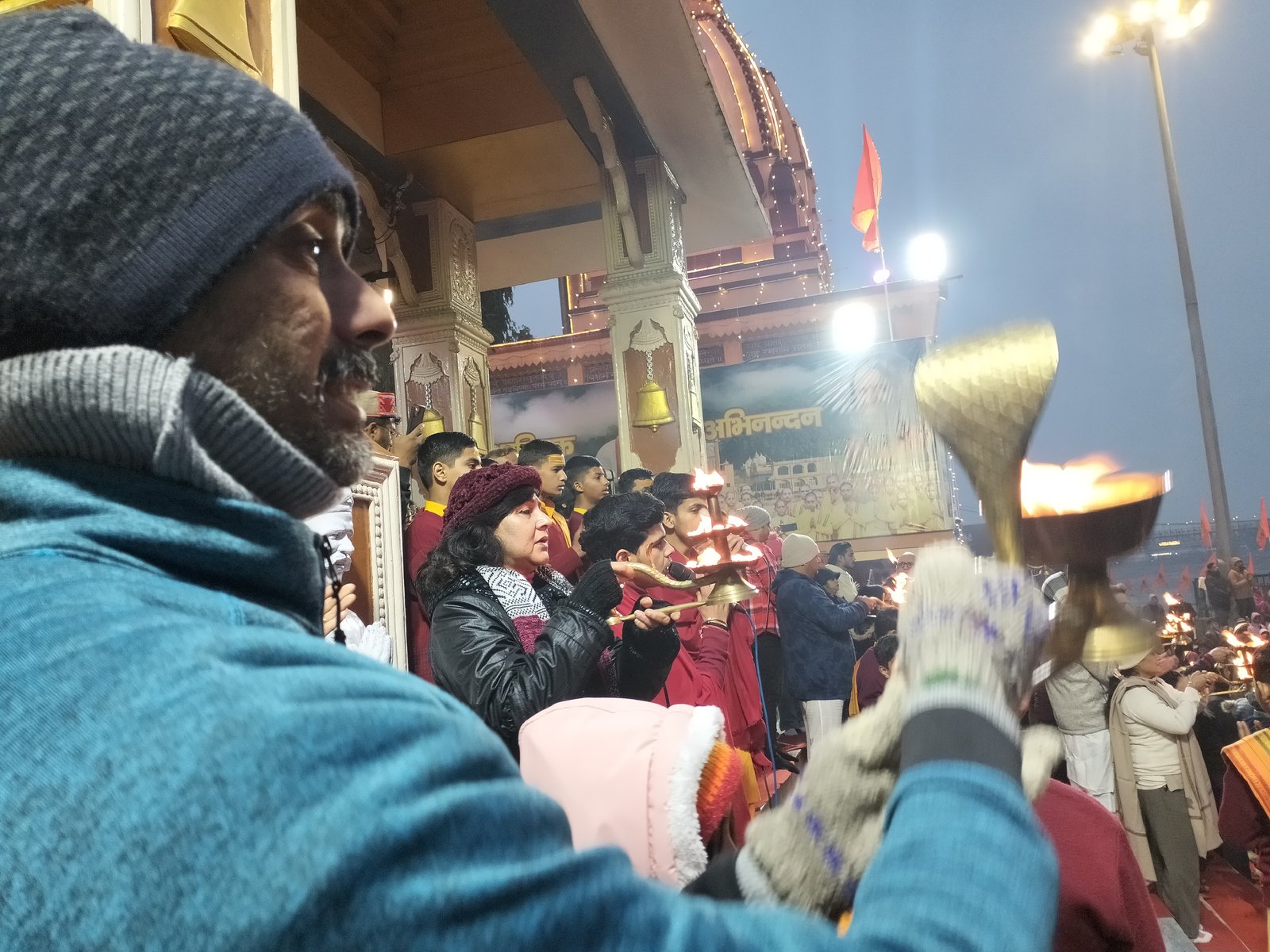 Grand Sunset Maha Ganga Aarti at Triveni Ghat, Rishikesh
These historic iron suspension bridges are architectural icons of Rishikesh spanning the emerald waters of the Ganges. Ram Jhula (built in 1986) connects Sivananda Ashram in Muni Ki Reti to the bustling temple complex of Swarg Ashram. Upstream, the legendary Laxman Jhula (450 ft long) marks the spot where Lord Laxmana crossed the river on a jute rope. The recently built modern suspension bridge Janki Jhula provides safe pedestrian and two-wheeler connectivity with panoramic river views.
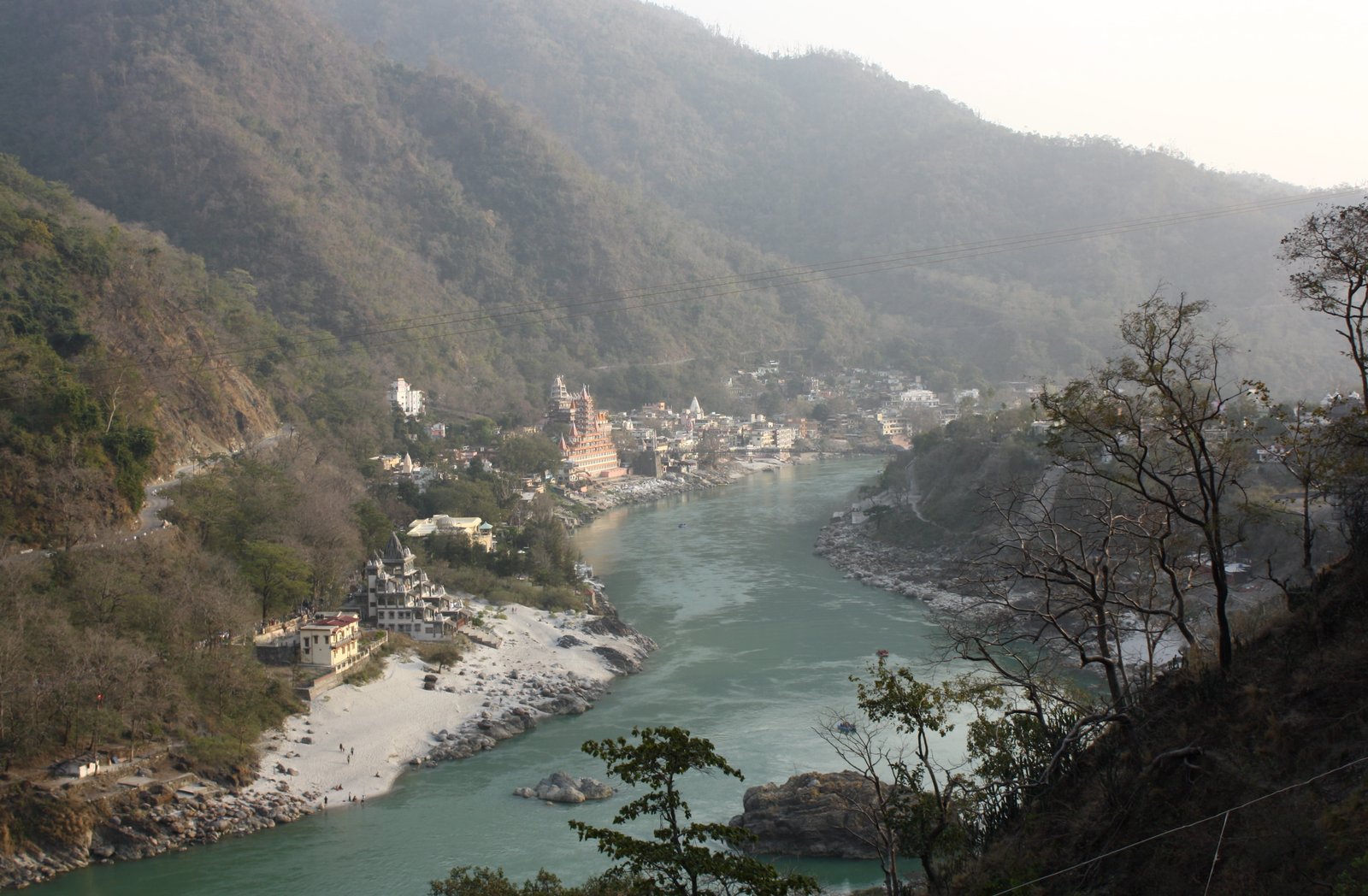 Laxman Jhula Suspension Bridge Overlooking the Holy Ganges, Rishikesh
Set inside the tranquil forested buffer of Rajaji National Park, the Chaurasi Kutia ashram gained worldwide fame when the British rock group The Beatles visited in February 1968 to study meditation under Maharishi Mahesh Yogi. Now managed as an eco-tourism heritage site by the Uttarakhand Forest Department, visitors can walk among the 84 stone meditation igloos, explore the Beatles Cathedral covered in vibrant pop-art murals, and visit the photo gallery preserving historic memorabilia.
Parmarth Niketan is the largest spiritual yoga ashram in Rishikesh, home to over 1,000 residential rooms and lush green gardens. It hosts the prestigious annual International Yog Festival every March and is famous for its daily sunset Ganga Aarti featuring devotional bhajans led by ashram gurukula students. Surrounding it is Swarg Ashram, a car-free spiritual enclave filled with Ayurvedic pharmacies, yoga centers, meditation halls, and organic cafes.
Rishikesh is India's unrivaled capital for river rafting. The crystal-clear Ganges cuts through deep rocky gorges, offering thrilling Grade I to Grade IV rapids with famous names like The Wall, Roller Coaster, Golf Course, Club House, and Double Trouble. Popular stretches include:
Perched on a mountain peak at an altitude of 1,330 meters (4,360 ft), 32 km from Rishikesh, Neelkanth Mahadev Temple is one of the most sacred Shiva pilgrimage shrines in India. According to Hindu mythology, this is the exact spot where Lord Shiva consumed the deadly Halahala poison churned from the cosmic ocean (Samudra Manthan), turning his throat blue (Neelkanth). Surrounded by dense valleys of Manikoot, Brahmkoot, and Vishnukoot, the temple features vibrant sculptures of the churning ocean.
Hidden within the dense deciduous forests along the Badrinath Highway, Neer Garh Waterfall is a stunning multi-tiered natural cascade. A 1 km trek uphill leads past wooden rustic bridges and butterfly habitats to tiered limestone pools where travelers can take a refreshing dip. Further upstream near Laxman Jhula lies Patna Waterfall, famous for its limestone caves and serene jungle surroundings.
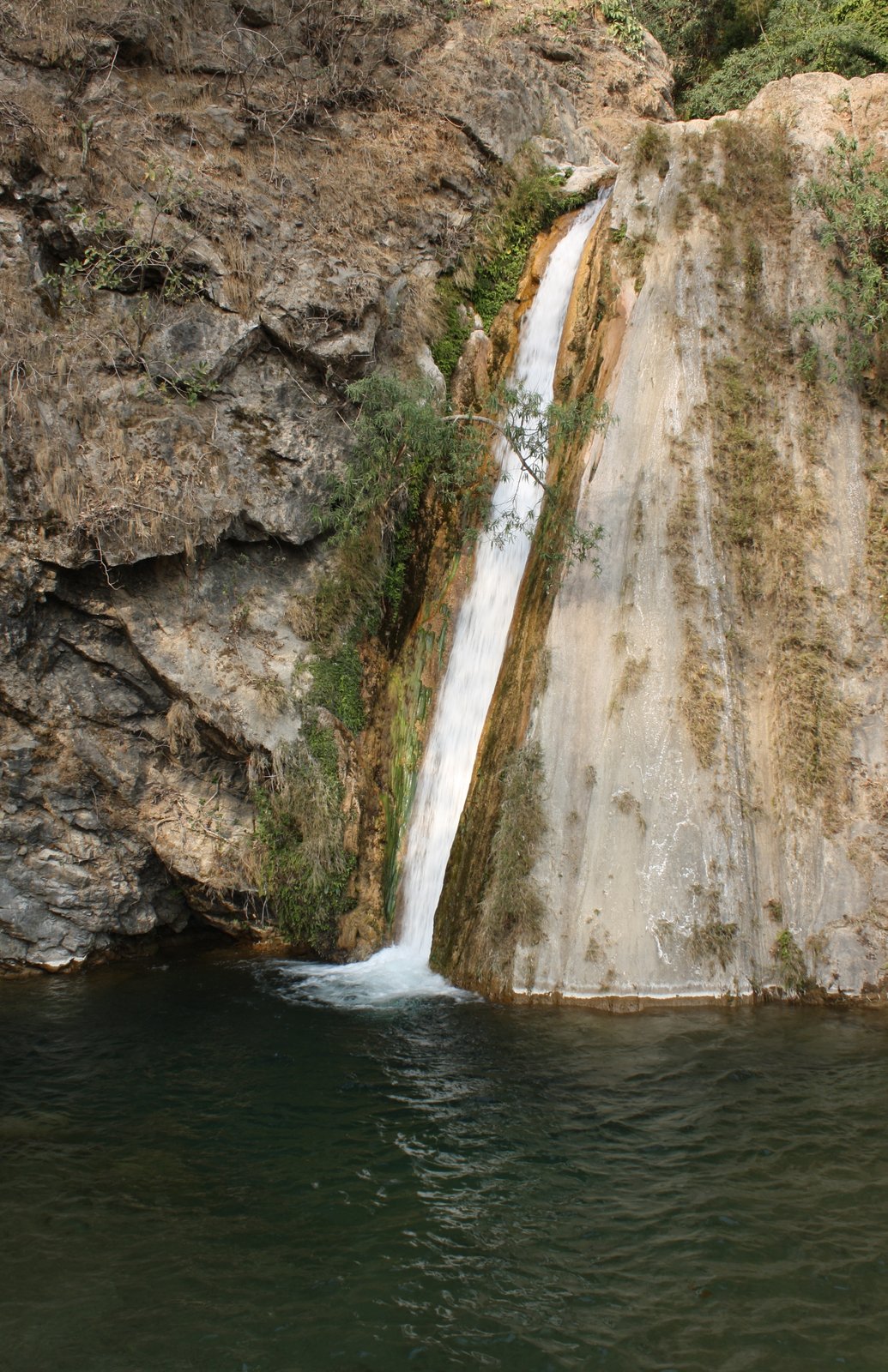 Neer Garh Forest Cascade & Natural Swimming Pools, Rishikesh
Perched on a high mountain ridge at an elevation of 1,676 meters (5,500 ft), 27 km from Rishikesh, Kunjapuri Devi Temple is a revered Shakti Peeth. Famous for its 360-degree panoramic sunrise vista, visitors can witness the first golden morning rays illuminating snow-clad Himalayan peaks such as Swargarohini, Chaukhamba, and Banderpoonch, alongside a sweeping bird's-eye view of the Ganges winding through the Doon Valley.
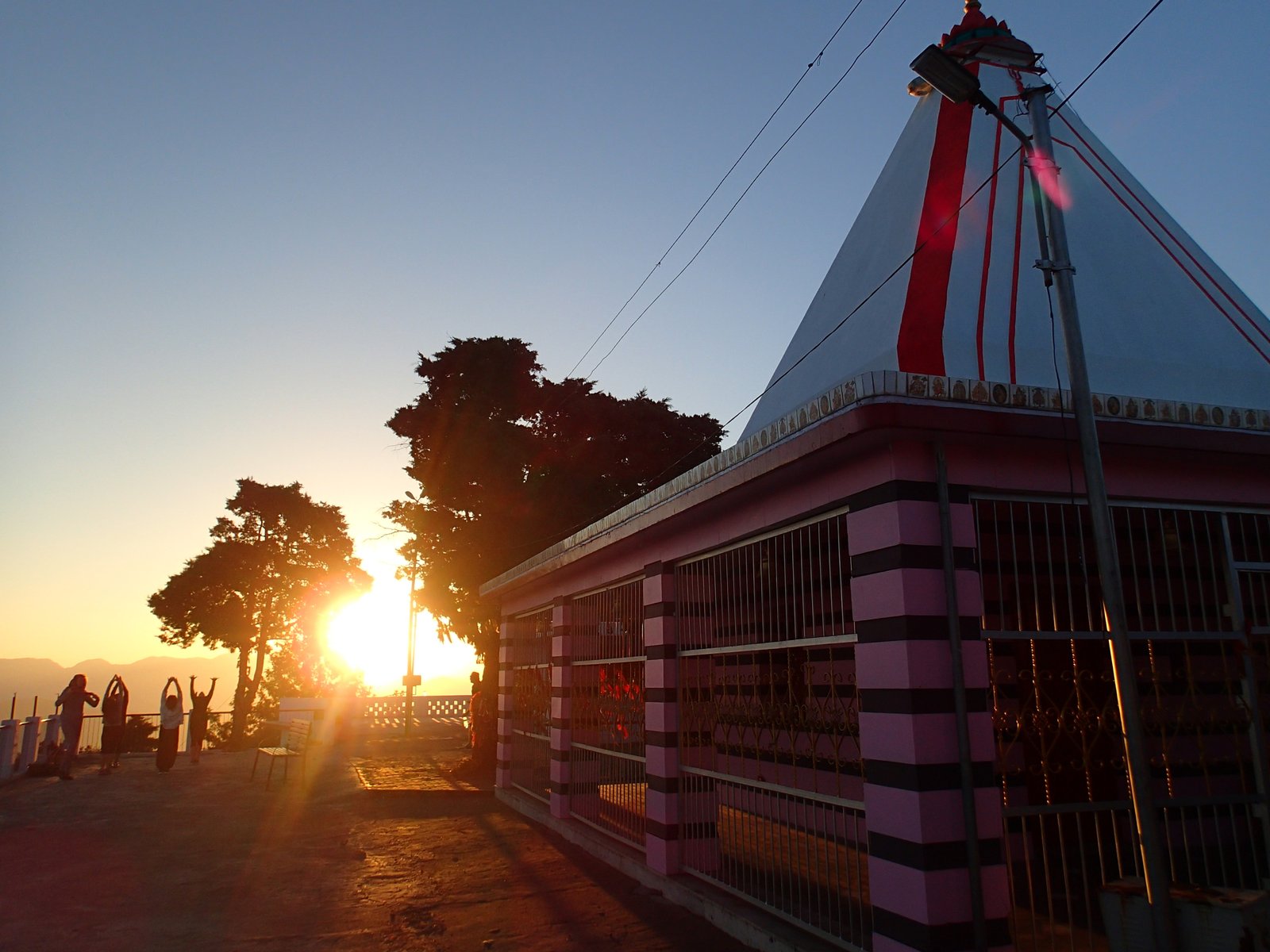 Kunjapuri Devi Temple — 360-Degree Himalayan Sunrise Ridge, Rishikesh
Located in the scenic valley of Mohanchatti (15 km from Rishikesh), India's premier adventure park features Jumpin Heights — India's highest fixed-platform Bungee Jump (83 meters / 273 ft) operated under certified Australian safety standards. The adventure zone also hosts Asia's longest Flying Fox (1 km long at 140 km/h) and an adrenaline-pumping Giant Canyon Swing.
Duration: 5 Night/ 6 Days
 Best Flights
 Best Prices
 Unique Holidays